Let’s make something great together.
Schedule a Meeting
 13/06/2025

Reach out to us today and let’s build a protection plan that’s smart, simple, and built for you.
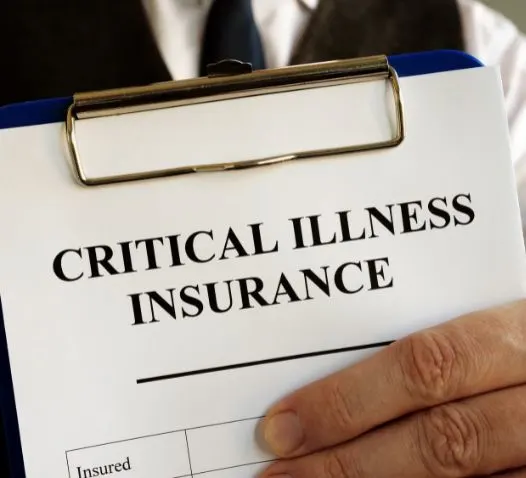
Schedule a Meeting!Critical illness insurance is a wonderful option for insuring yourself and your loved ones in the event of a severe illness. But how do you purchase the best critical illness insurance? Do you have to go see an agent? And how do you ensure that you select the correct plan? In this blog, we will walk you through the questions you should ask while purchasing critical illness coverage. You can make an informed decision from home.
A critical illness is a severe medical condition, such as cancer, a heart attack, a stroke, or paralysis. These diseases may change your life, and critical illness insurance can assist you in paying medical expenses as well as other expenses in case you are diagnosed with any one of them.
It’s worth being specific about exactly which illnesses are included under your plan. Some plans will cover more conditions than others, so double-check to ensure the insurance covers what is most important to you.
Not all medical conditions are covered by critical illness insurance. For instance, some conditions such as diabetes or pregnancy-related complications are not covered.
Make sure to read the policy thoroughly and look at what is excluded. Some policies even provide partial coverage of early-stage conditions, but not all diseases are given equal treatment. If you do have particular health issues, ensure they are included before joining.
How much critical illness insurance you should have will vary based on your circumstances. A good rule of thumb is coverage that will replace six months of your salary if you are unable to work during recovery.
Consider:
If you already have savings, you may require less protection. You can modify your policy to suit your needs.
When you get a covered critical illness diagnosis, the insurance company pays you a lump sum. That lump sum, a living benefit, can pay for medical costs, daily living expenses, or anything else you require while you recover.
How much money you receive varies with the plan. Some coverages pay out fully for serious conditions, but others only cover a percentage for ailments at an early stage. Be certain you know when and how much you’ll be paid.
There are some policies that have a waiting period or survival period. This is where you wait a specified period after diagnosis before you can make a claim.
For instance, some illnesses might need to have a 30-day waiting period, while there are policies where there is no waiting period. It’s crucial to know this so that you can prepare accordingly.
Usually, you don’t require a medical exam to purchase critical illness insurance. Some companies may, however, require a medical exam if you’re older or need to purchase a large coverage amount.
Usually, you will only be required to fill out some health questions upon application.
Yes! It’s easy to apply for critical illness insurance and can be done online. The application process typically involves:
Most insurers let you apply online, and you can do the entire thing from your home. You can also compare options and determine the best plan for you in minutes.
If you are diagnosed with a covered critical illness, you’ll have to make a claim. When your claim is honored, you will get a lump-sum payment.
When you receive the total payout, your critical illness insurance will terminate. If you receive a partial payment, your coverage won’t end.
So, is critical illness insurance a good option for you? It can be a wonderful choice if:
Life and critical illness cover can provide reassurance, knowing that you and your loved ones are secure should anything untoward happen.
Purchasing critical illness insurance is a wise step to secure yourself and your family in the event of a critical illness. Ask the proper questions and select the best critical illness insurance for yourself. Compare policies carefully and consult an expert if necessary. With an appropriate plan, ensure that you and your family are well-protected.

Founder, Wiseconomy
Certified LLQP professional with years of experience helping individuals navigate Canada’s financial landscape, select bespoke insurance coverage, and create personalized investment strategies tailored to their unique goals, needs, and long-term financial well-being.


Explore frequently asked questions for quick help, common topics, and essential information.
Not always. Many critical illness insurance plans only cover major, life-threatening cancers and may exclude early or less aggressive forms. It’s smart to read your policy carefully or ask your insurer exactly what is critical illness insurance covering in your case. Want to see what’s covered? Book a consultation call to compare plans today.
Yes, but it might cost more or come with exclusions. Some critical illness insurance providers may not cover pre-existing conditions. Always disclose your health history honestly to avoid claim issues down the line.
If you never make a claim, there’s no payout. Think of critical illness insurance like car insurance—it’s there to protect you if the worst happens. It’s still worth it for peace of mind, knowing you’ll have support if life changes suddenly. Secure your peace of mind now— schedule a virtual meeting to explore your options.
Unlike regular health insurance that pays hospitals, critical illness insurance pays you directly. This lump sum can cover anything—medical costs, debts, or extra family support—making life and critical illness insurance a powerful combination for full protection.
Some policies let you adjust your critical illness insurance coverage as your life changes, but it may involve new questions or checks. Always ask upfront to make sure your plan stays flexible.
Yes, you’re not limited to just 10, 20, or 30 years. Many insurance providers in Canada offer flexible options like 15, 25, or 35 years and even specific durations like 11, 17, or 33 years. We help you select the exact term length that fits your goals, financial obligations, and long-term plans.