Let’s make something great together.
Schedule a Meeting
 13/01/2026
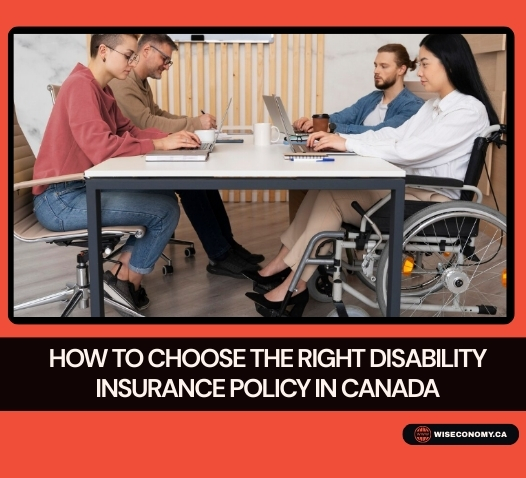
Disability insurance is one of the most important financial safety nets you can have, yet many Canadians don’t know how to choose the right policy until it’s too late. Whether you’re self-employed, an employee with benefits, or planning your long-term financial security, this guide walks you through exactly how to choose the right disability insurance policy in Canada.
What Is Disability Insurance and Why You Need It
Disability insurance helps replace a portion of your income if you become too ill or injured to work. It acts as income protection, ensuring you have money to cover living expenses like rent, mortgage, utilities, groceries, and debt payments while you recover from an unexpected disability.
In Canada, disability insurance typically replaces 60%–85% of your income up to a specified monthly benefit. The benefits usually begin after a waiting period and can continue for years or until retirement, depending on the type of coverage you choose.
Many people underestimate the chance of becoming disabled. According to industry data, about 1 in 3 working-age Canadians will experience a disability lasting 90+ days before age 65. Disability insurance gives you peace of mind by protecting your most valuable asset: your ability to earn money.
Without proper coverage, you may have to deplete savings, dip into retirement funds, or rely solely on government programs, which may provide limited support.
Choosing the right disability insurance canada policy is not one-size-fits-all. It requires understanding your financial situation, lifestyle, job risks, and long-term goals.
Below are the critical steps to help you select the best policy for your needs.
Before you shop for a policy, know how much income you need to maintain your lifestyle if you’re unable to work.
Ask yourself:
Disability insurance typically pays up to 85% of your income, but you may choose less depending on your budget and other sources of support.
Tip: Prepare a monthly budget and calculate your essential expenses. Only then can you determine the income protection you truly need.
There are two main types of disability insurance to consider:
Your long-term financial objectives, personal savings, and job perks will all influence your decision between STD and LTD. For more complete coverage, many choose both short-term and long-term components.
Pro tip: Even if your employer offers disability benefits, consider a private policy because employer plans often pay only a portion of your income and may end if you leave your job.
How a policy defines “disability” affects whether and when you receive benefits. There are two key definitions:
You’re considered disabled if you cannot perform the duties of your own job, even if you could work in another job.
You must be unable to perform any job to qualify for benefits.
Own-occupation coverage is more expensive but offers stronger protection, especially if you have specialized skills or a high-income profession.
Tip: Choose the definition that aligns with your occupation and risk tolerance.
This is the time between when your disability starts and when benefits begin. Common waiting periods are:
A shorter waiting period means you start receiving benefits sooner, but your premiums will be higher.
This determines how long you receive benefits once a claim is approved. Options may include:
Choosing the right waiting and benefit period is essential, a longer benefit period offers more security but comes with higher premiums.
A good disability insurance policy should include partial or residual disability benefits. These features pay a portion of the benefit if you can work part-time or if your income is reduced due to injury or illness.
This flexibility can be a game-changer if you can earn some income but not as much as before.
In Canada:
Understanding tax rules helps you estimate how much benefit you’ll actually receive.
Employer disability plans may not meet all your income needs and they can vanish when you change jobs. Always explore additional private coverage if necessary.
Insurance companies classify jobs by risk level. The riskier the job, the higher the cost and the stricter the underwriting. Be honest and accurate when applying.
A financial or insurance advisor can help you understand complex terms, customize coverage to your situation, and avoid hidden gaps.
Disability insurance typically works as follows:
Benefits continue until the end of the benefit period or until you return to work, whichever comes first.
If you’re self-employed, disability insurance is even more important, you don’t have employer-sponsored benefits or sick leave. A private policy will ensure business expenses and personal finances remain secure should you become unable to work.
Pro tip: if you are business owner, you can also buy business overhead expense insurance to cover your eligible business operating expenses.
New residents may not have group disability benefits, making private coverage essential to protect income and financial stability.
Choosing the right disability insurance policy doesn’t have to be confusing.
Schedule Your Free Consultation Today!
Visit Wiseconomy’s disability insurance page to start your free consultation and get personalized guidance every step of the way. You’ll receive a policy tailored to your needs, not just a generic quote.
Disability insurance is one of the most critical safeguards for your financial future in Canada. It protects your income, secures your lifestyle, and gives you peace of mind if illness or injury prevents you from working. To choose the right policy:
Taking the time to choose the right policy now can protect you and your family later.
For tailored advice and customized disability insurance solutions, trust Wiseconomy Wealth Solutions, your partner in financial security.

Founder, Wiseconomy
Certified LLQP professional with years of experience helping individuals navigate Canada’s financial landscape, select bespoke insurance coverage, and create personalized investment strategies tailored to their unique goals, needs, and long-term financial well-being.


While long-term plans might last for years or until retirement, short-term plans only last for a few weeks or months.
Depending on the insurance, it usually ranges from 60% to 85% of your gross income.
Benefits are typically tax-free if you pay your premiums; benefits may be taxed if your employer pays the premiums.
Personal plans can address income gaps if employer coverage is insufficient.
Adjustments are permitted under many policies, albeit the conditions differ. Get specifics from your adviser.